Sodium Hydroxide Dissolves In Water Physical Or Chemical Change . Sodium hydroxide to copper (ii) sulphate solution produces a. Hydrochloric acid reacts with potassium hydroxide to produce a salt, water, and heat. Lab 4 Chemical and Physical Changes from www.chemistryland.com Water is heated and changed to steam. Hydrochloric acid reacts with potassium hydroxide to produce a salt, water, and heat. So with this, milk souring is a chemical exchange.
What Is Phosphorylation As It Occurs In Chemical Reactions
What Is Phosphorylation As It Occurs In Chemical Reactions. But the best answer to this multiple choice question specifically is going to be option a. The resulting product is dependent on the chemicals involved.
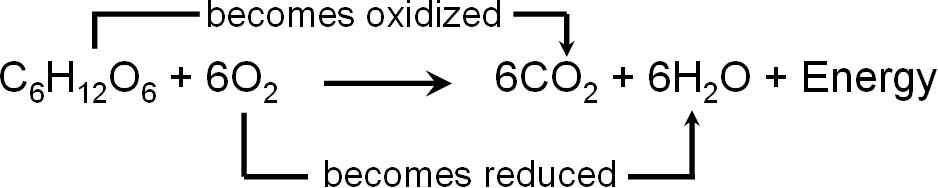
Electron transfer occurs through chemical reactions called reactions from bio1151b.nicerweb.net
Now choose from one of the following options why? And then also the reverse of this reaction. C phosphorylation is the release of a third phosphorous molecule of atp during hydrolysis.
Phosphorylation Plays Critical Roles In The Regulation Of Many Cellular Processes Including Cell Cycle, Growth, Apoptosis And Signal Transduction Pathways.
A phosphorylation refers to the attachment of a phosphate to another molecule to facilitate a chemical reaction. While phosphorylation has been observed in bacterial proteins, it is. 16) what is phosphorylation as it occurs in chemical reactions?
But The Best Answer To This Multiple Choice Question Specifically Is Going To Be Option A.
It plays a vital role in sugar mechanisms. Phosphorylation is a biological process that involves the addition of a phosphate molecule to an organic substance such as glucose or adenosine diphosphate (adp). B phosphorylation is the uptake of a phosphorous molecule by an atp molecule to power chemical reactions.
Now Choose From One Of The Following Options Why?
Phosphorylation is the release of a third. Phosphorylation refers to the attachment of a phosphate to another molecule to facilitate a chemical reaction.b. In biological systems, this reaction is vital for the cellular storage and transfer of free energy using energy carrier molecules.
Phosphorylation And Dephosphorylation Of Proteins On Tyrosine Residues Are Typical Reactions Controlling Signal Transductions In Cells.
C phosphorylation is the release of a third phosphorous molecule of atp during hydrolysis. It occurs in the mitochondria. B phosphorylation is the uptake of a phosphorous.
A Phosphorylation Refers To The Attachment Of A Phosphate To Another Molecule To Facilitate A Chemical Reaction.
The resulting product is dependent on the chemicals involved. Energy is captured as electrons are transferred from electron donors to electron acceptors, such as oxygen. If donor and acceptor (the reactants) are of higher free energy energy than the reaction products, the electron.


Comments
Post a Comment